Spotting trouble on Kansas siding
If you own a home anywhere in Kansas, you should know what to look for. The first signs aren’t always dramatic. Kansas weather can push siding panels, trim, and flashing out of alignment. A curious homeowner can spot the issue before it worsens. The goal is to catch problems early and call a siding specialist for an accurate assessment.
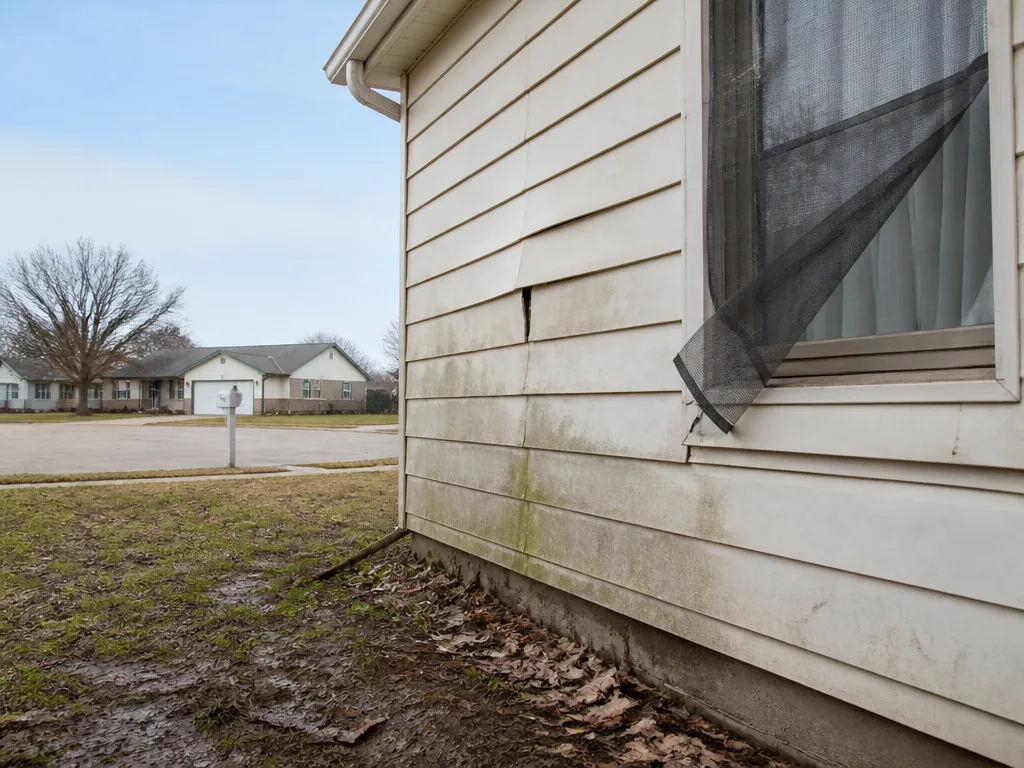
Start with a visual check along the eaves, corners, and edges. Look for lifted panels, loose fasteners, or gaps where wind can push moisture behind the siding. If you see paint bubbling, peeling, or chalky powder on the surface, that can indicate underlying moisture or aging finishes. In Kansas, seasonal shifts can exaggerate hairline cracks in fiber cement or vinyl siding. Don’t ignore suspicious seams or a dark line where mold begins to form.
Moisture, mold, and hidden issues
Moisture is a key enemy of siding. In Kansas, seasonal rain, snow melt, and humidity can seep behind panels if flashing is damaged or missing. A small water stain on the interior wall or a musty odor near exterior walls can point to hidden leaks behind siding. A siding specialist will look for softened wood trim, warped boards, or swollen edges that signal moisture intrusion. Treat these signs seriously and schedule an inspection if any moisture is present.
Beyond water, hail and wind are common culprits in Kansas. Dents, pitting, or impact marks can compromise the protective layer of siding, making it easier for water and sun to do damage. If you notice higher energy bills without a clear reason, or paint or stain that wears unevenly, it may reflect siding that’s no longer performing to its best.
What to do now
Document the evidence with photos and note where you see issues. Then contact a siding specialist who services Kansas statewide. A professional will perform a careful inspection, check flashing and joints, and determine if panels need reseating, resealing, or replacement. Early attention keeps interior rooms drier and protects your home’s value across Kansas.
Quick home checks you can do
- Inspect corners where two siding planes meet for gaps or cracks.
- Tap along panels; listen for hollow sounds that indicate looseness.
- Check for staining or discoloration near overhangs after rain.